In progression content, a surprising number of wipes happen when victory appears guaranteed. The Cost of Complacency—the subtle drop in attention and discipline as a boss nears death—is the defining Late-Game Risk that undermines otherwise clean attempts. This risk separates teams maintaining Consistent Execution—performing mechanics correctly until the final moment—from those suffering Unnecessary Final Phase Errors, wiping at 5–10% due to preventable mistakes.
This expanded analysis examines why the final phase is psychologically dangerous, how execution standards must tighten rather than relax, and what structural habits prevent last-moment collapses.
The Psychological Trap of Near Victory
As the boss’s health bar drops into the final stretch, players subconsciously reframe the encounter from “active threat” to “almost finished.” This mental shift reduces reaction speed, increases risk-taking, and encourages tunnel vision on damage output. The result is a failure to respect mechanics that are still fully lethal.
The Cost of Complacency is amplified by fatigue. After many pulls, players are emotionally invested in “finally killing the boss,” which paradoxically makes them more likely to ignore fundamentals such as movement discipline, interrupts, or defensive usage.
Why the Final Phase Is the Most Dangerous
The final phase often combines several risk factors: healer mana is low, defensive cooldowns are depleted, and mechanics may overlap more aggressively. Even if no new abilities are introduced, the margin for error is at its smallest.
Consistent Execution recognizes that the last 10% of the boss’s health is not a victory lap—it is a stress test. Any single death or utility failure at this point is far more likely to cascade into a full wipe than earlier in the fight.
The Final Phase Discipline Protocol
High-performing groups deliberately tighten execution standards as the fight nears its end. This protocol ensures focus increases rather than decreases:
- Survival Over Output: DPS players prioritize movement, defensives, and mechanic compliance over squeezing extra damage. A living player always deals more damage than a dead one.
- Defensive Dumping: All remaining personal and raid defensives are considered expendable and used proactively to absorb mistakes or unexpected overlap.
- Increased Callout Density: The Raid Leader or Shotcaller provides frequent, clear reminders (“Don’t greed,” “Interrupt still required,” “Defensives now”) to counteract mental fatigue.
Common Unnecessary Final Phase Errors
These mistakes are rarely mechanical knowledge failures—they are discipline failures caused by overconfidence:
| Error Type | Complacency Trigger | Late-Game Impact |
|---|---|---|
| Missed Interrupt or Cleanse | Assuming the boss will die before the cast finishes. | Lethal damage or debuff causes immediate wipe. |
| Greedy Casting | Finishing a cast instead of moving out of an AoE. | Player death that cannot be recovered due to low resources. |
| Forgotten Tank Swap | Tanks assume stacks won’t matter before the kill. | Tank death triggers instant structural collapse. |
| Unused Defensives | Saving cooldowns “just in case” instead of using them. | Preventable deaths with no recovery tools remaining. |
Building Anti-Complacency Habits
The best teams treat the final phase as a scripted execution check.
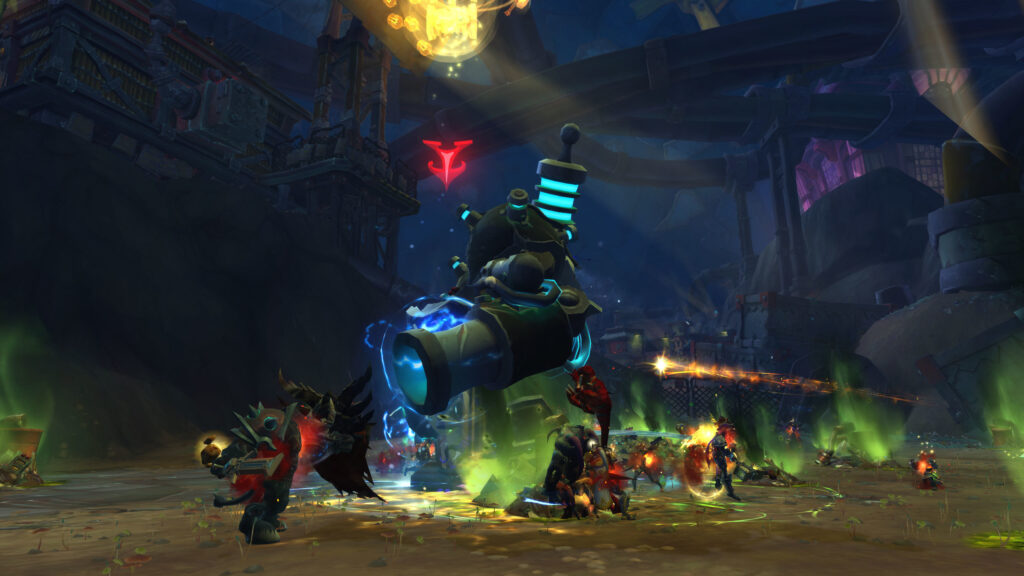
They rehearse defensive usage, assign last-phase responsibilities, and mentally label the final 10% as “maximum danger.” Over time, this reframing eliminates emotional shortcuts and replaces them with habit-driven execution.
Conclusion
The Cost of Complacency is the most deceptive Late-Game Risk in progression. By enforcing strict final-phase discipline, increasing communication, and prioritizing survival over damage, teams maintain Consistent Execution until the boss reaches 0%.
This mindset prevents heartbreaking wipes at the finish line and transforms near-kills into reliable victories by eliminating Unnecessary Final Phase Errors.
