Guilds in World of Warcraft (WoW) are more than just collections of players; they are communities, families, and often, crucible-like environments where friendships are forged and rivalries ignite. Within these social structures, events, both grand and trivial, frequently unfold, giving rise to “guild drama.” While often frustrating in the moment, this drama—the contentious loot decisions, the sudden departures, the heroic saves, the infamous blunders—is the raw material from which guild legends are born. Over time, these stories are retold, embellished, and passed down, transforming mundane occurrences into epic tales that define a guild’s identity and legacy. This guide explores the fascinating alchemy of how everyday guild interactions evolve into cherished myths, highlighting the human need for storytelling and the profound impact these legends have on shaping a guild’s culture, cohesion, and enduring spirit.
The Spark of Drama: Conflict and Consequence
Every guild legend begins with an event, often one charged with emotion or significant consequence. A raid wipe caused by a specific player’s mistake, a hotly contested piece of loot, a sudden, unexplained departure of a key member, or a moment of unexpected heroism in a dire situation—these are the sparks of drama. In the immediate aftermath, these events can be sources of frustration, anger, or elation.
It’s the human element, the conflict, the moral dilemma, or the surprising outcome that makes these events memorable. They stand out from the routine grind of daily play, creating an emotional anchor that players will return to, eager to discuss and dissect, thus beginning the initial phase of their transformation into legend.
The Oral Tradition: Retelling and Embellishment
The crucial step in transforming drama into legend is retelling. Over time, these stories are recounted in guild chat, on Discord, or during casual dungeon runs. Each retelling offers an opportunity for embellishment, for key details to be exaggerated, for heroes to become more heroic, and villains more villainous. The “fish caught by a fisherman” effect kicks in, where the size of the catch (or the impact of the drama) grows with each recounting.
This oral tradition allows the story to adapt and resonate more deeply with the guild’s current members. The focus shifts from factual accuracy to emotional impact and thematic relevance, solidifying the narrative into a potent shared memory. The process of retelling is inherently communal, reinforcing the guild’s collective identity.
| Stage of Mythogenesis | Characteristics | Example Guild Event | Impact on Guild Culture |
|---|---|---|---|
| The Spark of Drama | Conflict, consequence, emotional charge, immediate impact. | Player pulls an extra boss, causing a wipe. Loot controversy. | Initial frustration/anger, but also a memorable moment. |
| The Oral Tradition | Retelling, exaggeration, focus on emotional impact. | Story of the wipe gets recounted, details become grander. | Shared memory forms, narrative takes shape, bonds members. |
| Character Archetypes | Players cast as heroes, villains, comic relief, wise elders. | The “wipe guy” becomes a running gag. The “loot ninja” becomes infamous. | Defines internal roles, provides guild shorthand. |
| Thematic Resonance | Story embodies guild values, warnings, or triumphs. | Legend reinforces “don’t pull extra mobs” or “always help each other.” | Teaches lessons, strengthens guild’s moral/strategic code. |
| Integration & Ritual | Becomes part of guild lore, referenced in new situations. | “Don’t pull a [Player Name]” becomes a cautionary phrase. | Deepens sense of belonging, unique guild identity. |
| Enduring Legacy | Stories persist even as members leave, passed to new recruits. | New members hear tales of old heroes/villains. | Creates continuity, provides a rich history for the guild. |
Forging Character Archetypes: Heroes and Villains
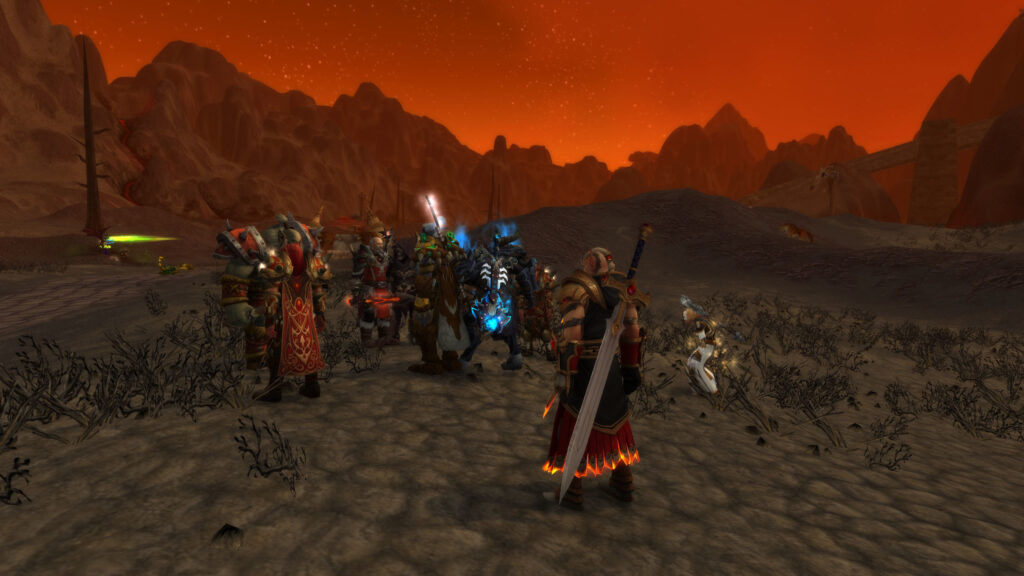
As stories become legends, individual players involved often morph into archetypal characters within the guild’s narrative. The player who made a crucial raid save becomes “The Hero of [Raid Name].” The one who constantly pulled extra mobs becomes “The Mad Hatter.” The loot dispute might create “The Justicar” and “The Deserter.”
These archetypes provide shorthand for guild members, instantly communicating a complex personality or recurring behavior. They give the guild’s history a cast of memorable characters, making the stories more engaging and relatable, and creating a shared internal mythology that binds members together.
Thematic Resonance: Lessons and Values
Guild legends often serve a deeper purpose: they embody and reinforce the guild’s values, teach cautionary lessons, or celebrate shared triumphs. A story about overcoming a particularly difficult boss might become a legend of perseverance. A tale of a player stealing loot might become a warning about trust.
These thematic undercurrents transform simple anecdotes into moral fables or inspiring epics. They help new recruits understand the guild’s unwritten rules and cultural priorities, fostering a sense of shared purpose and collective identity that transcends individual personalities and temporary setbacks.
Integration and Ritual: The Fabric of Guild Life
Once a story reaches legendary status, it becomes integrated into the very fabric of guild life. It’s referenced casually in chat (“Remember when [Player X] did a Leeroy on [Boss Y]?”), becomes the source of running gags, or is recounted as a ritual for new recruits. Guild names or ranks might even be inspired by these legends.
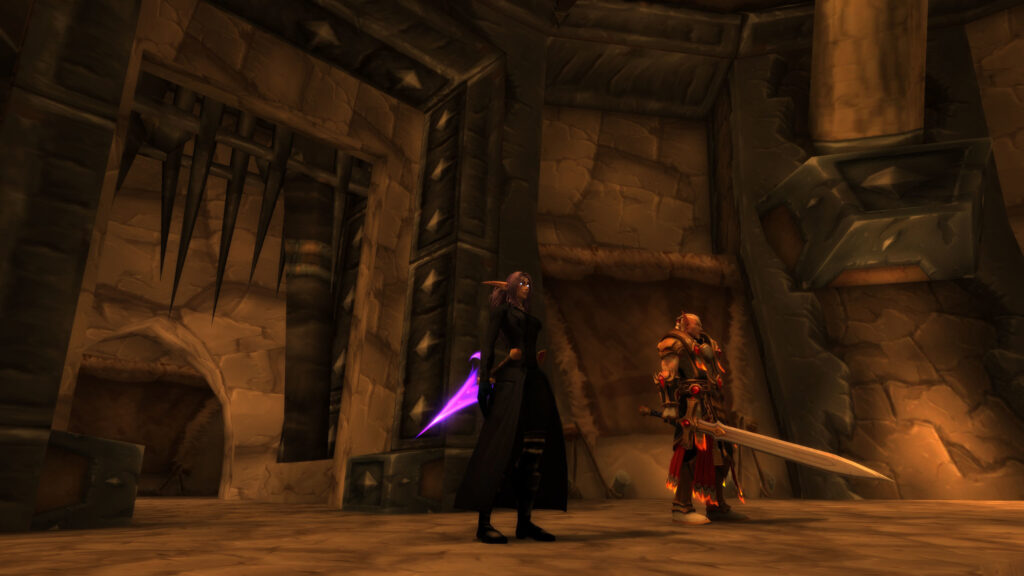
This integration solidifies the legends as part of the guild’s unique identity. They provide context, humor, and a shared vocabulary that newcomers quickly learn. The stories are no longer just about the past; they actively shape the present and future interactions within the guild, reinforcing its continuity and unique character.
The Enduring Power of Guild Mythology
From the fleeting frustrations of daily drama to the enduring power of guild legends, the human need for storytelling is vividly displayed in World of Warcraft. These myths, born from real events and shaped by collective memory, are more than just amusing anecdotes; they are the heart and soul of a guild.
They provide a shared history, reinforce values, forge bonds, and give meaning to the countless hours spent together in Azeroth. Ultimately, guild legends ensure that even as individual members come and go, the spirit and identity of the guild live on, etched into a rich tapestry of shared triumphs, failures, and unforgettable tales.
