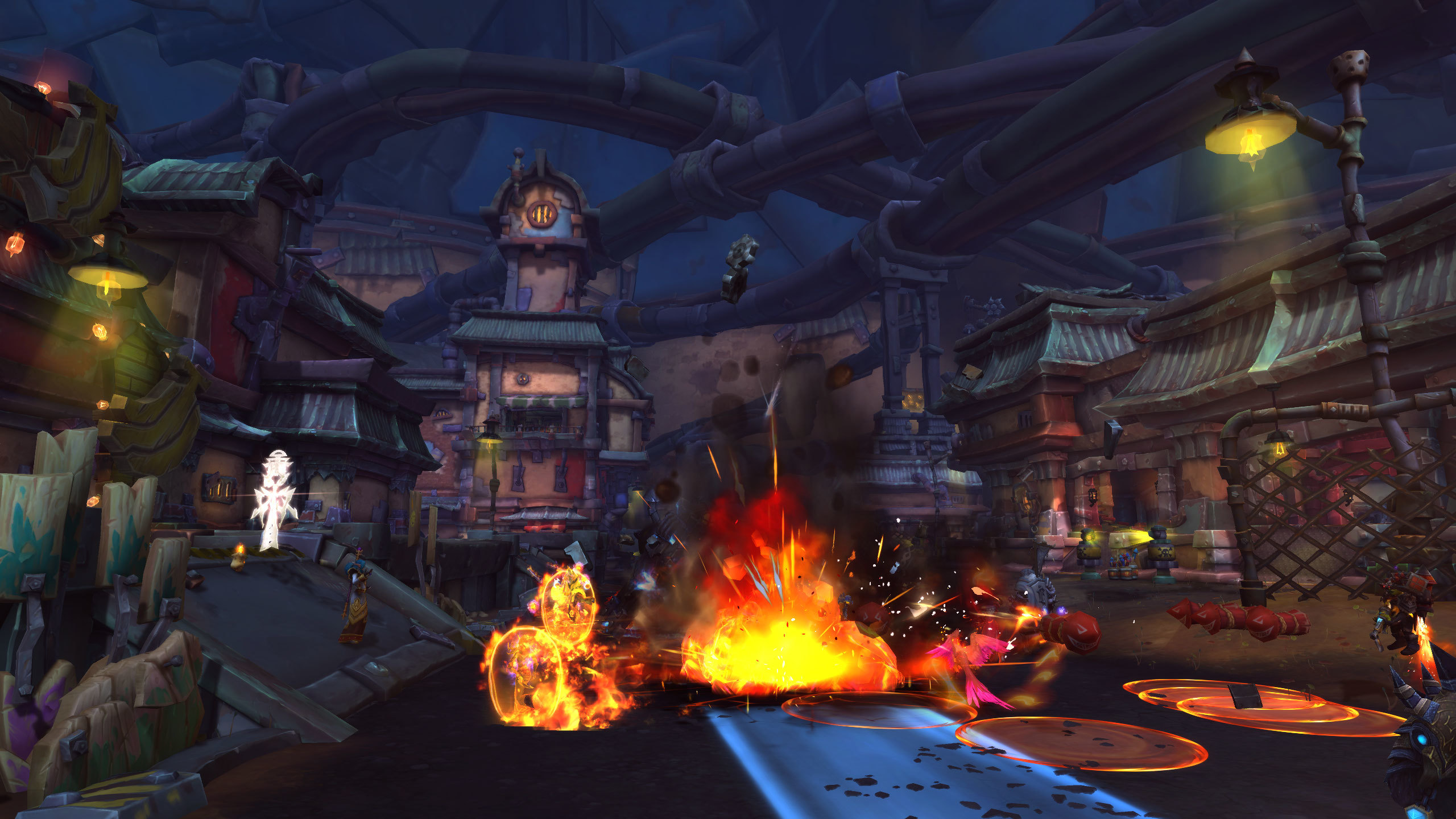
Modern raid encounters are designed around visual communication. Bosses rarely rely on random damage; instead, they telegraph danger through ground effects, animations, directional facing, and debuff indicators. Raid Encounter Visual Cue Recognition is the critical Reaction Trigger that determines whether a player survives mechanics effortlessly or becomes a liability.
This recognition separates players executing Anticipatory Movement— reacting before damage resolves—from those suffering Delayed Response Failure, where movement comes too late and results in avoidable damage, debuff spread, or outright death.
This expanded analysis explains how elite players train their visual priority, leverage addon reinforcement, and rewire reaction timing to stay ahead of encounter mechanics rather than chasing them.
Why Visual Cues Are the Primary Reaction Trigger
In high-end encounters, reaction windows are intentionally short—often between 0.8 and 1.5 seconds. By the time combat text or damage numbers appear, the opportunity to react has already passed. This is why Visual Cue Recognition must override damage rotation, UI monitoring, and even voice callouts.
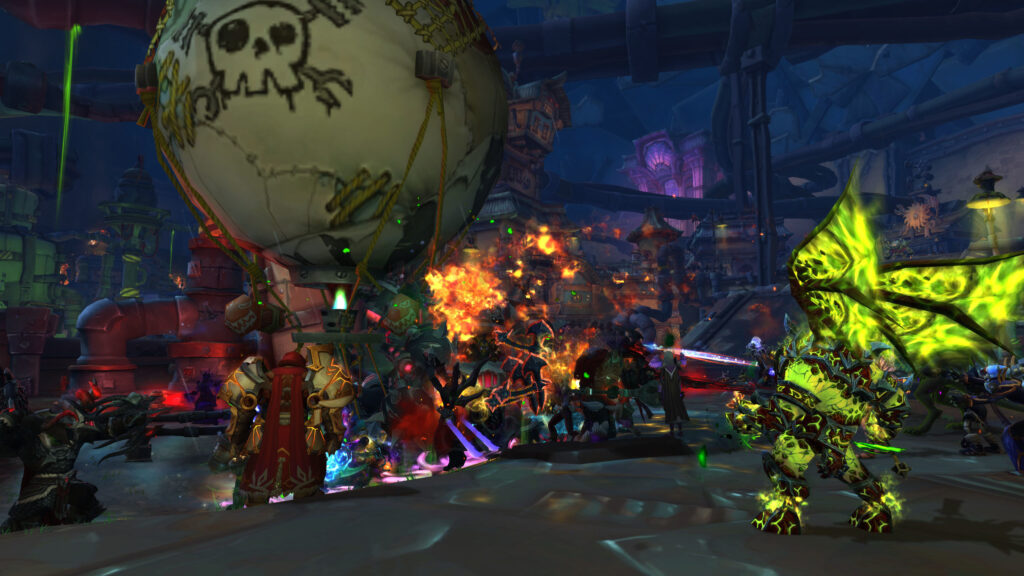
Delayed Response Failure usually stems from tunnel vision: players focusing on cooldowns, meters, or unit frames instead of the environment. Successful players invert this priority, treating the battlefield itself as the primary information source.
The Cognitive Hierarchy of Visual Cues
Because the brain cannot process every visual input equally, cues must be prioritized by lethality and urgency. Elite execution depends on instantly recognizing which signals demand immediate action.
- Ground Effects and Targeted Indicators: Highest priority. These cues almost always signal imminent damage or contamination and require instant displacement.
- Boss and Enemy Animations: Model turns, wind-up motions, or weapon lifts often precede frontal cones, cleaves, or knockbacks.
- Personal Debuffs and Icons: These inform positioning decisions but are secondary to direct environmental threats.
Anticipatory Movement vs Reactive Movement
Anticipatory Movement occurs when players act the moment a cue appears—or even slightly before—based on pattern recognition. This minimizes travel distance, preserves DPS uptime, and avoids emergency movement.
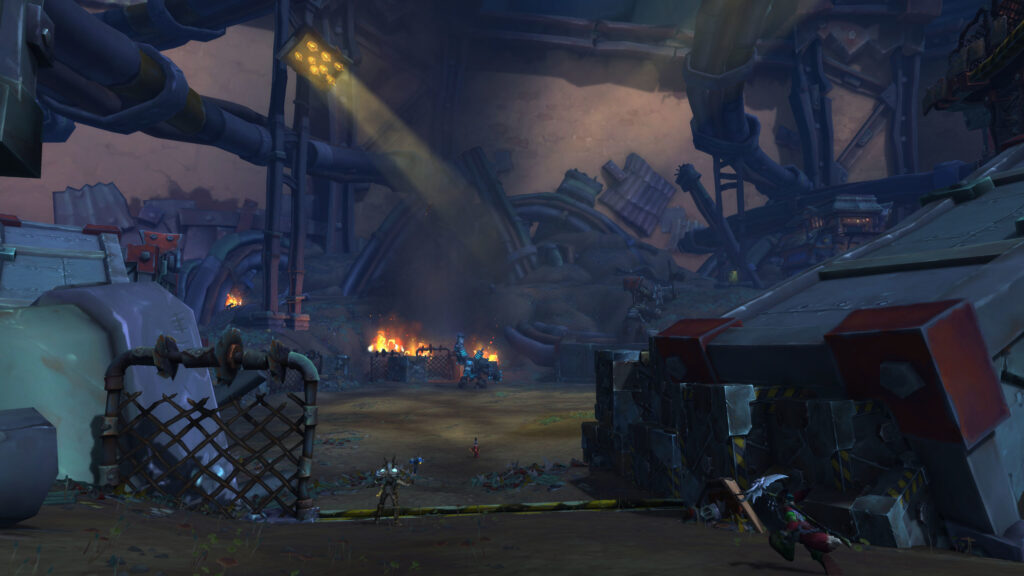
Reactive movement, by contrast, waits for confirmation: a filled swirl, a cast bar completing, or damage ticking. This delay almost always results in clipped casts, lost GCDs, or unnecessary healing burden.
Reinforcing Recognition with Addons
Addons such as DBM, BigWigs, and WeakAuras do not replace visual recognition—they reinforce it. Their purpose is to pre-load the brain with expectation so that visual confirmation triggers an automatic response rather than conscious decision-making.
| Visual Cue | Delayed Response Failure | Anticipatory Solution |
|---|---|---|
| Targeted ground swirl | Waiting for the animation to fully expand. | Move immediately when the indicator appears underfoot. |
| Boss model rotation | Reacting only after the cast bar appears. | Assume a frontal and reposition the moment the boss turns. |
| Personal proximity debuff | Noticing the debuff after it spreads. | Use a full-screen WeakAura to trigger instant separation. |
Training Visual Discipline
Visual Cue Recognition improves through repetition and intentional focus. Players must consciously reduce UI clutter, reposition frames away from the center of the screen, and practice keeping their character and nearby terrain within peripheral vision at all times.
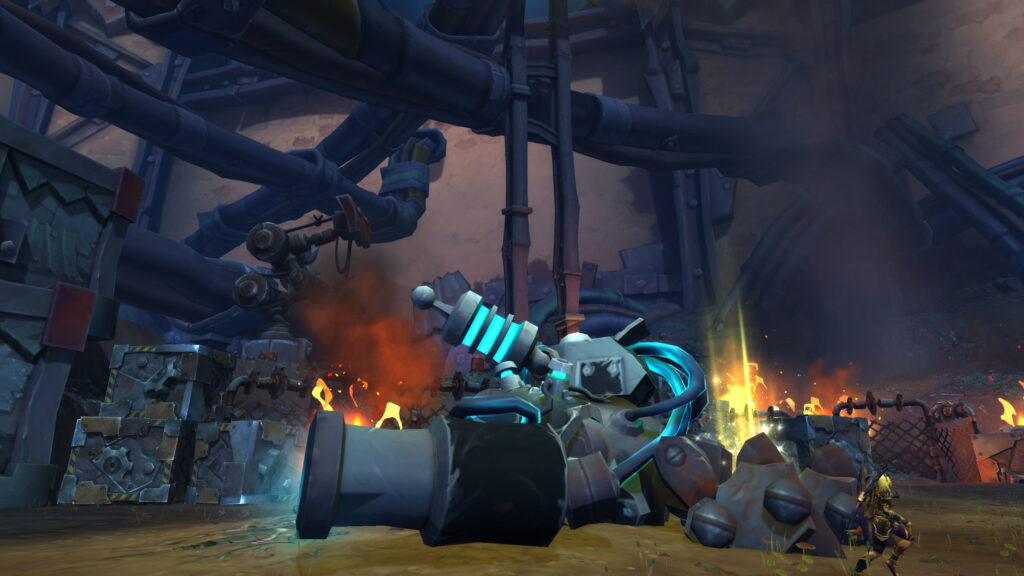
Over time, this discipline converts reaction into instinct—mechanics are avoided before they feel dangerous, and movement becomes fluid rather than frantic.
Conclusion
Raid Encounter Visual Cue Recognition is the foundational Reaction Trigger for survivability and execution. By prioritizing environmental signals, reinforcing them with intelligent addon usage, and committing to anticipatory movement, players eliminate avoidable damage before it occurs.
This discipline clearly separates clean, controlled execution from the chaos and inefficiency of Delayed Response Failure, elevating both individual and group performance.
