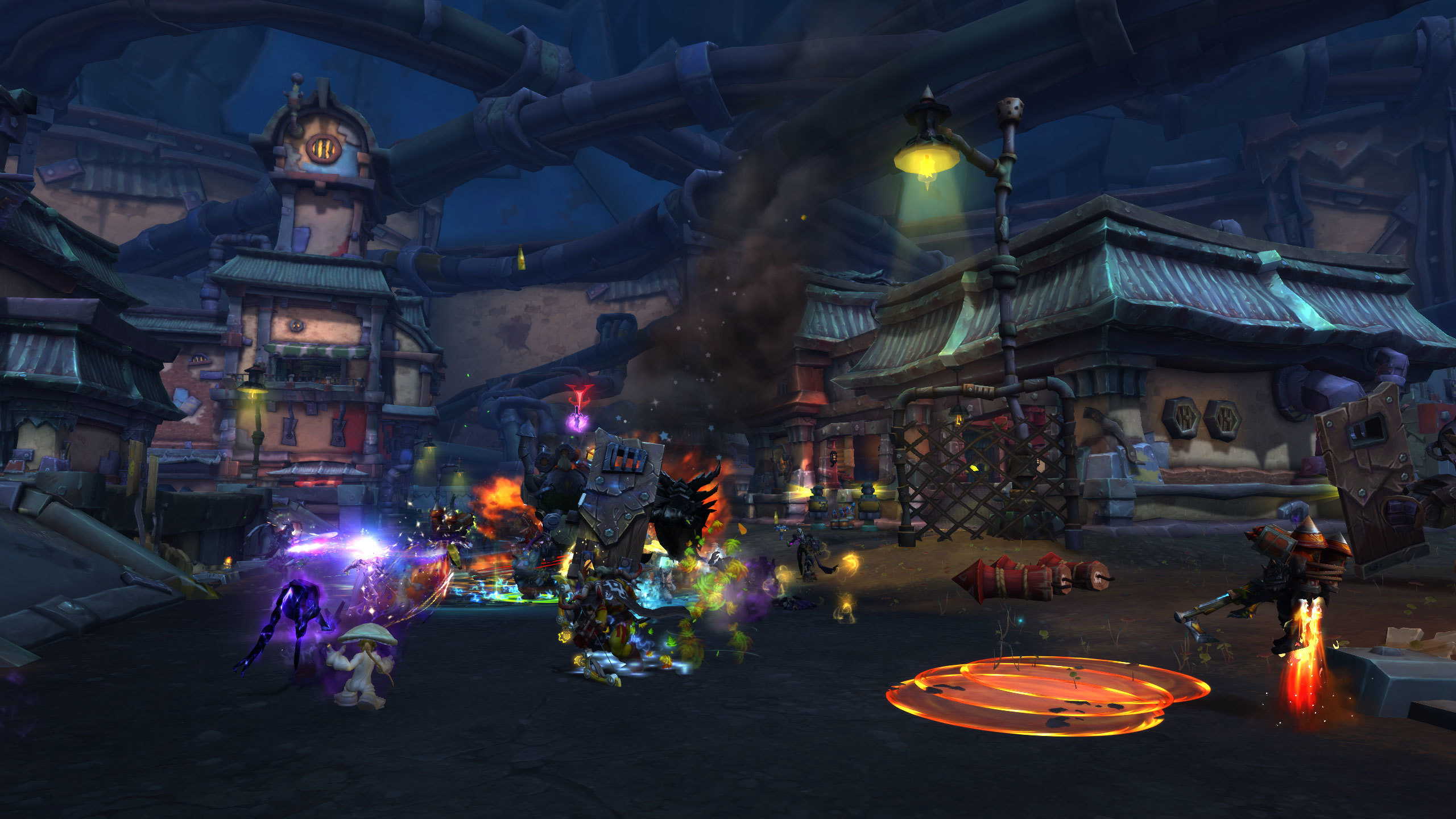
Modern dungeon and raid encounters frequently place enemies at long range, often positioning dangerous casters far from melee reach. Managing these enemies cleanly is one of the Tank’s most important responsibilities. Tank Line-of-Sight (LOS) Control is the defining Aggro Management Tactic that transforms chaotic engagements into structured, efficient pulls.
This technique separates tanks executing Controlled Pulls—where all enemies are forced into a tight, cleavable stack—from those triggering Room-Wide Scatter Wipes, where casters remain spread, damage becomes unmanageable, and accidental pulls spiral the encounter out of control.
This expanded analysis breaks down why LOS control is mandatory at high levels, how to execute it precisely, and how it directly amplifies group damage, survivability, and tempo.
Why Line-of-Sight Control Is Mandatory
Ranged enemies fundamentally disrupt dungeon flow. When left unattended, casters free-cast from range, forcing DPS to chase interrupts, healers to spend excessive mana, and tanks to stretch threat across the room.
Controlled Pulls eliminate these inefficiencies by forcing all enemies—melee and ranged alike—into a single anchor point. Once consolidated, AoE damage, crowd control, interrupts, and defensive cooldowns can all be applied optimally.
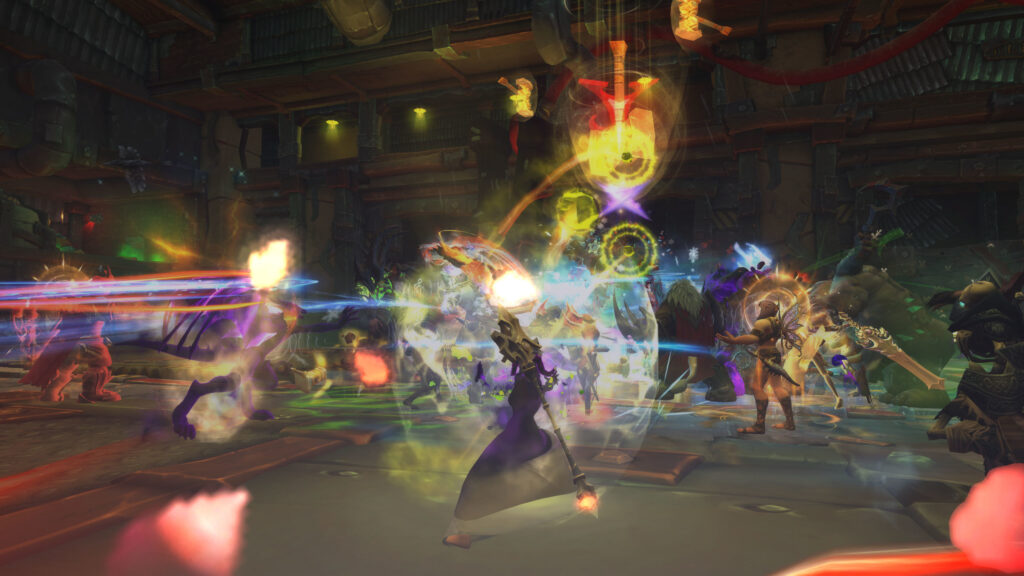
Room-Wide Scatter Wipes occur when LOS is ignored. Casters stay planted, chain-cast lethal abilities, and often stand near additional packs, dramatically increasing the risk of unintended chain pulls.
The LOS Control Execution Sequence
Line-of-sight pulling is a deliberate, repeatable maneuver. When executed correctly, it turns the environment itself into a threat-control tool:
- Initial Tagging: The tank establishes initial threat on all enemies, including distant casters, using ranged abilities or movement-based aggro.
- Immediate LOS Break: The tank moves behind a pillar, wall, doorway, or corner, fully breaking line of sight before the casters can complete their first cast.
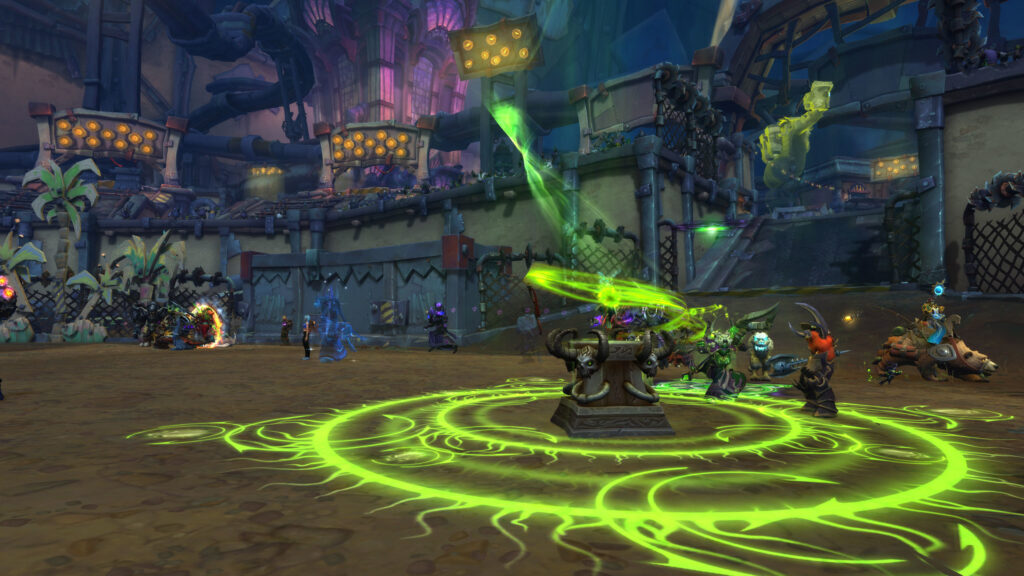
- Forced Enemy Pathing: Unable to cast, ranged enemies are forced by AI behavior to run toward the tank’s last known position.
- Anchor and Lockdown: As enemies arrive in melee range, the tank steps out, anchors the stack, and uses AoE threat and crowd control to prevent re-dispersion.
Positioning Discipline and Environmental Awareness
LOS control is not simply about hiding—it is about hiding correctly. Poor positioning can introduce new risks if executed carelessly.
| Common LOS Mistake | Negative Outcome | Optimal Correction |
|---|---|---|
| Breaking LOS too far away | Casters take wide pathing routes and aggro nearby packs. | Use the nearest viable corner or pillar. |
| Delaying the LOS break | Casters finish a full cast before moving. | Break LOS immediately after tagging. |
| No anchoring on arrival | Enemies spread again upon reaching the tank. | Use stuns, grips, or roots as they arrive. |
Why LOS Control Multiplies Group Performance
Proper LOS control is not just defensive—it is offensive optimization. When enemies are tightly stacked:
- DPS gain maximum AoE and cleave efficiency.
- Interrupt rotations become predictable and reliable.
- Healers face smoother, more predictable damage intake.
- Pull speed increases without increasing wipe risk.
In high Mythic+ keys or progression pulls, this consolidation is often the difference between a clean, efficient run and repeated deaths caused by uncontrolled damage.
Conclusion
Tank Line-of-Sight Control is a cornerstone Aggro Management Tactic for advanced play. By deliberately using terrain to force enemy movement, tanks create Controlled Pulls that enable clean damage stacking and predictable threat management.
This discipline eliminates the chaos of Room-Wide Scatter Wipes, stabilizes dungeon flow, and sets the foundation for efficient, high-level group execution.
